So I took a little break from writing here - except I didn't write it here. It was an internal memo.
Anyway, I'm going to take the rest of the month off and come back in August with more external memos. But for now, I highly suggest reading Mark Bittman's column, Bad Food? Tax It, and Subsidize Vegetables.
Yes, it would take a long while for what he's proposing to happen across the board, but it just seems so wrong that if you have a small income, it's so much easier to buy not-so-good-for-you food than it is to buy fresh fruits and veggies.
And the part about the average American consuming 44.7 gallons of soda a year? I had no idea. There was a time where I probably was right up there, but nowadays I don't even reach 1 gallon/yr. More on that in a future post.
©2011 Memo To My Health. Please do not republish our content without notifying us and getting permission.
Tuesday, July 26, 2011

Tuesday, July 12, 2011
When in Doubt, Dance
Remember my tip on just putting on music and dancing your butt off?
I've been doing that a lot lately.
Cardio. Core, arm, and leg work. Energizing. Working up a sweat.
Moving and burning off calories when you've had a long day of sitting on your butt.
I've actually bought music recently specifically to dance to. It's so easy to make a ten minute or twenty minute playlist and go for it.
It's pretty awesome.
©2011 Memo To My Health. Please do not republish our content without notifying us and getting permission.
I've been doing that a lot lately.
Cardio. Core, arm, and leg work. Energizing. Working up a sweat.
Moving and burning off calories when you've had a long day of sitting on your butt.
I've actually bought music recently specifically to dance to. It's so easy to make a ten minute or twenty minute playlist and go for it.
It's pretty awesome.
©2011 Memo To My Health. Please do not republish our content without notifying us and getting permission.
Tuesday, July 5, 2011
Updated Clean 15 and Dirty Dozen
While we talked about seasonal eating here several times, including the Spring Seasonal Eating List, the Summer Seasonal Eating List, and the Winter Seasonal Eating List (and yes, I was delinquent and somehow missed Fall last year), there's actually another factor to consider when buying produce.
From time to time the EWG (Environmental Working Group) releases an update to their "Dirty Dozen" and "Clean Fifteen" Shopper's Guides to Consumer Pesticide Exposure. As you probably know, a lot of food grown in the US is sprayed with pesticides, which are chemicals to protect them from bugs. We can try to wash these chemicals off our food before we eat it, but sometimes it's not that simple. EWG's press release on the latest list mention a concern for young children and pesticides effects on them at critical developmental stages. My own concern is regarding the build up over time of these chemicals in your system; your body can only clear out so much. Again EWG's release mentions an association between pesticides and "neurological deficits, ADHD, endocrine system disruption, and cancer."
It's unfortunate that this even has to be taken into consideration - although there are probably plenty of people who don't consider it at all. And I'd surely hope this issue wouldn't turn anyone away from eating produce since it can provide so many nutritional benefits.
So. What's on the list?
Dirty Dozen:
1. Apples
2. Celery
3. Strawberries
4. Peaches
5. Spinach
6. Nectarines (imported)
7. Grapes (imported)
8. Sweet bell peppers
9. Potatoes
10. Blueberries (domestic)
11. Lettuce
12. Kale/Collard greens
Now all these above items the EWG is recommending you buy organic whenever possible because these foods have been found to be contaminated with pesticides the most. Note that most of the produce tested is washed and peeled before tested to reflect the most likely amounts of pesticide in the food when people would eat it.
And yes, buying organic is more expensive. But I decided in the past couple of years it is worth it. If I could pay just a little more now and reduce my chances of health problems down the line, I'm going to do it. Americans are willing to spend a smaller percentage of their earnings on food compared to many other countries. I think I learned that from Michael Pollan. And that could be a whole other memo on it's own, but for now, I'll just say we should value our health more than that.
You'll notice that everything on the Dirty Dozen list is lacking a hard, inedible outside. This thinner skin allows chemicals to seep into the produce. If you wanted to extend your organic purchasing past this list, you could make a rule that organic could be skipped on anything that has a hard outer structure or at least an outside you don't eat, like a cantaloupe or a pineapple.
In fact, that leads me to....
Clean Fifteen:
1. Onions
2. Corn
3. Pineapple
4. Avocado
5. Asparagus
6. Sweet Peas
7. Mango
8. Eggplant
9. Cantaloupe (domestic)
10. Kiwi
11. Cabbage
12. Watermelon
13. Sweet potatoes
14. Grapefruit
15. Mushrooms
These were all found to be lowest in pesticides. And yes, the order does have meaning - the top slots are for the worst offenders and best bets on their respective lists.
So there you go.
As I mentioned both lists are courtesy of the EWG and their research. Feel free to read the press release I mentioned. Visit the EWG Shopper's Guide website and you can even print out a guide to take with you shopping. That guide is in pdf form and has a QR code on it that you can scan with your smart phone to get the info on your phone.
©2011 Memo To My Health. Please do not republish our content without notifying us and getting permission.
From time to time the EWG (Environmental Working Group) releases an update to their "Dirty Dozen" and "Clean Fifteen" Shopper's Guides to Consumer Pesticide Exposure. As you probably know, a lot of food grown in the US is sprayed with pesticides, which are chemicals to protect them from bugs. We can try to wash these chemicals off our food before we eat it, but sometimes it's not that simple. EWG's press release on the latest list mention a concern for young children and pesticides effects on them at critical developmental stages. My own concern is regarding the build up over time of these chemicals in your system; your body can only clear out so much. Again EWG's release mentions an association between pesticides and "neurological deficits, ADHD, endocrine system disruption, and cancer."
It's unfortunate that this even has to be taken into consideration - although there are probably plenty of people who don't consider it at all. And I'd surely hope this issue wouldn't turn anyone away from eating produce since it can provide so many nutritional benefits.
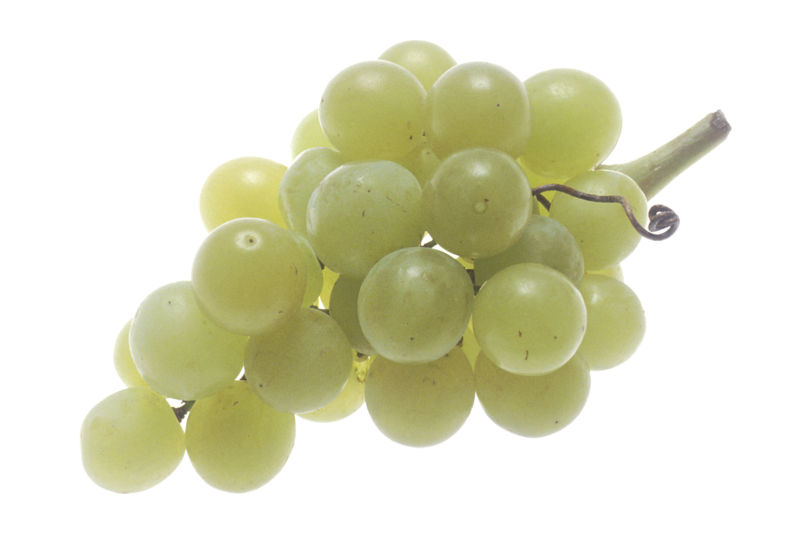 |
| Buy these organic if they're imported. image from Wikimedia Commons |
Dirty Dozen:
1. Apples
2. Celery
3. Strawberries
4. Peaches
5. Spinach
6. Nectarines (imported)
7. Grapes (imported)
8. Sweet bell peppers
9. Potatoes
10. Blueberries (domestic)
11. Lettuce
12. Kale/Collard greens
Now all these above items the EWG is recommending you buy organic whenever possible because these foods have been found to be contaminated with pesticides the most. Note that most of the produce tested is washed and peeled before tested to reflect the most likely amounts of pesticide in the food when people would eat it.
And yes, buying organic is more expensive. But I decided in the past couple of years it is worth it. If I could pay just a little more now and reduce my chances of health problems down the line, I'm going to do it. Americans are willing to spend a smaller percentage of their earnings on food compared to many other countries. I think I learned that from Michael Pollan. And that could be a whole other memo on it's own, but for now, I'll just say we should value our health more than that.
You'll notice that everything on the Dirty Dozen list is lacking a hard, inedible outside. This thinner skin allows chemicals to seep into the produce. If you wanted to extend your organic purchasing past this list, you could make a rule that organic could be skipped on anything that has a hard outer structure or at least an outside you don't eat, like a cantaloupe or a pineapple.
In fact, that leads me to....
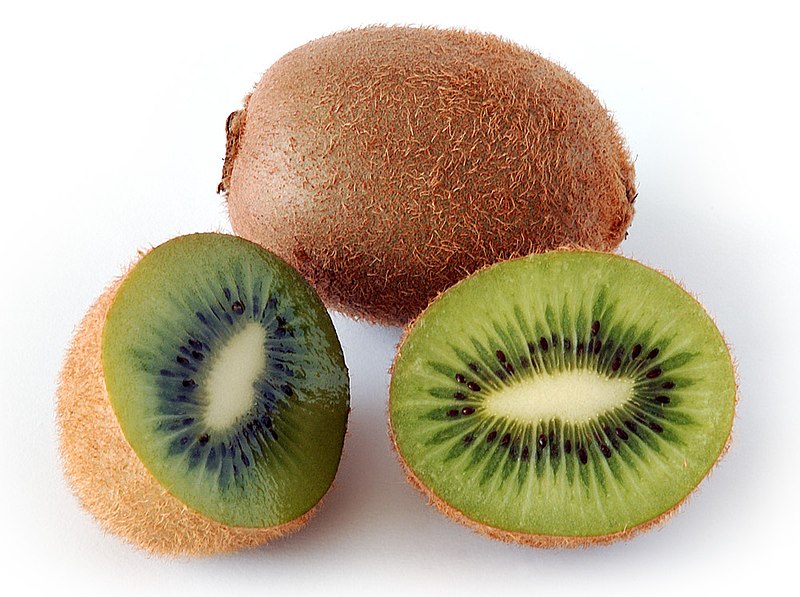 |
| These can be bought non-organic. image from Wikimedia Commons |
Clean Fifteen:
1. Onions
2. Corn
3. Pineapple
4. Avocado
5. Asparagus
6. Sweet Peas
7. Mango
8. Eggplant
9. Cantaloupe (domestic)
10. Kiwi
11. Cabbage
12. Watermelon
13. Sweet potatoes
14. Grapefruit
15. Mushrooms
These were all found to be lowest in pesticides. And yes, the order does have meaning - the top slots are for the worst offenders and best bets on their respective lists.
So there you go.
As I mentioned both lists are courtesy of the EWG and their research. Feel free to read the press release I mentioned. Visit the EWG Shopper's Guide website and you can even print out a guide to take with you shopping. That guide is in pdf form and has a QR code on it that you can scan with your smart phone to get the info on your phone.
©2011 Memo To My Health. Please do not republish our content without notifying us and getting permission.
Subscribe to:
Posts (Atom)